All Categories
Featured


Why Payroll Insurance is a Core Pillar of Liability Control
Table of Contents
- – Improving Advantage Administration for Medicar...
- – Adapting to Regulatory Standards in Huntingto...
- – Improving Worker Engagement with Medicare
- – Streamlining Data Security and Personal Priva...
- – Assessing Plan Options for Medicare
- – Maximizing the Worth of Workplace Wellness In...
- – Finest Practices for a Smooth Renewal Cycle in...
Improving Advantage Administration for Medicare in 2026
The 2026 insurance market has actually approached a model where speed and clarity dictate the success of group advantages. Little organization owners in Huntington Beach no longer rely on thick paper stacks or manual entry spreadsheets to handle their annual enrollment periods. Instead, the focus has shifted towards automated systems that verify eligibility in real-time and supply employees with instant verification of their selections. This transition has lowered the administrative burden on HR departments while reducing the mistakes that formerly afflicted the renewal cycle. By standardizing the way information moves between companies and carriers, the 2026 environment focuses on precision above all else.
The need for Medicare has actually led to the adoption of more versatile strategy designs. Business are finding that a one-size-fits-all approach no longer satisfies a labor force that values personalization. Modern registration platforms enable workers to compare deductibles, out-of-pocket maximums, and provider networks side-by-side utilizing data from the previous year to predict future costs. This level of openness makes sure that employee choose strategies that really fit their medical requirements instead of guessing throughout a two-week window. Competence in Harmony SoCal Insurance Services Agency has actually ended up being a core requirement for brokers assisting companies browse these digital transitions.
Adapting to Regulatory Standards in Huntington Beach
Compliance remains a top concern in 2026, as federal and state policies continue to upgrade openness requirements. Small companies must ensure their plan files are updated to show current statutes concerning psychological health parity and pharmacy benefit disclosures. Failure to maintain these records can lead to significant fines throughout audits. Numerous organizations now utilize automated compliance tracking to keep their filings current throughout the calendar year. This approach consistent oversight changes the old method of scrambling to upgrade files only once a year throughout the renewal period.
Handling Harmony SoCal Insurance Services Group Benefits needs a disciplined technique to paperwork and staff member communication. In 2026, the Department of Labor has increased its concentrate on how little businesses communicate plan modifications to their personnel. Clear, succinct summaries of advantages and coverage are no longer simply a useful tool-- they are a legal necessity. Guaranteeing that every employee receives these documents through a trackable digital delivery system safeguards the business from claims of non-disclosure. This shift toward digital record-keeping has made the audit process much quicker for business that stay arranged.
Improving Worker Engagement with Medicare
Engagement throughout open registration often identifies how well workers view their overall payment. In 2026, the most successful little companies use multi-channel interaction strategies to reach their groups. This consists of brief video explainers, mobile-friendly benefit portals, and interactive calculators. When staff members feel positive in their understanding of the health insurance, they are more likely to get involved in health initiatives and preventive care programs. These programs are created to keep the workforce healthy, which can cause more stable renewal rates in the following years.
Preventive care has actually taken center stage in 2026 plan designs. Most group policies now include zero-cost screenings and virtual primary care visits as basic functions. By removing the financial barriers to fundamental healthcare, employers are seeing a decrease in long-term claims related to chronic conditions. This proactive stance on health helps manage expenses for business while improving the quality of life for the personnel. People searching for Harmony SoCal Insurance Services in Huntington Beach typically focus on strategies that emphasize these preventive measures due to the fact that they offer immediate worth without needing a high deductible to be met initially.
Streamlining Data Security and Personal Privacy in Huntington Beach
Securing delicate health info has actually become more intricate in 2026 due to the increase in advanced cyber hazards. Little services are accountable for making sure that any platform they utilize to gather staff member health information satisfies stringent file encryption standards. A lot of enrollment systems now utilize multi-factor authentication and end-to-end file encryption to protect individual identifiers from unauthorized access. Service owners must vet their innovation partners carefully to ensure they are following the current security protocols. A data breach not only compromises staff member trust but likewise brings heavy legal and monetary repercussions.
Information personal privacy laws in 2026 have also expanded, providing workers more control over how their information is utilized for wellness tracking and premium incentives. Employers must be transparent about what information is gathered and how it influences plan costs. This openness constructs a culture of trust within the office. When employees know their details is managed with care, they are more prepared to engage with digital health tools, such as wearable integration for physical fitness tracking or telehealth apps for psychological health assistance. The objective is to produce a safe and secure environment where innovation supports health rather than producing brand-new dangers.
Assessing Plan Options for Medicare
The 2026 market offers a variety of financing models that were as soon as just available to big corporations. Level-funded strategies, for instance, have actually become a popular choice for little groups in Huntington Beach. These strategies offer the predictability of a totally guaranteed plan with the capacity for a refund if claims are lower than expected. For an organization with a fairly healthy workforce, this can lead to considerable cost savings that can be reinvested into other employee benefits. Assessing these choices requires a deep take a look at the previous 2 years of claims data to identify if the danger is workable.
Network selection is another vital factor in 2026. Narrow networks and tiered company systems are often utilized to decrease month-to-month premiums. While these strategies use lower expenses, they need employees to stay within a particular group of doctors and hospitals. Organization owners must stabilize the desire for lower rates with the need for a network that actually covers the areas where their workers live. If a network is too limiting, it can cause aggravation and out-of-network costs that negate the preliminary cost savings. Successful companies frequently poll their staff members to see which medical groups are crucial to them before completing a plan choice.
Maximizing the Worth of Workplace Wellness Initiatives
Health programs in 2026 are no longer almost gym subscriptions or step challenges. They have actually evolved into comprehensive support group that resolve physical, psychological, and financial health. Numerous small organizations are incorporating financial training and tension management resources into their advantages packages. These additions show a growing understanding that monetary stress can have a direct influence on physical health and workplace productivity. By supporting the whole individual, services can produce a more durable and loyal workforce.
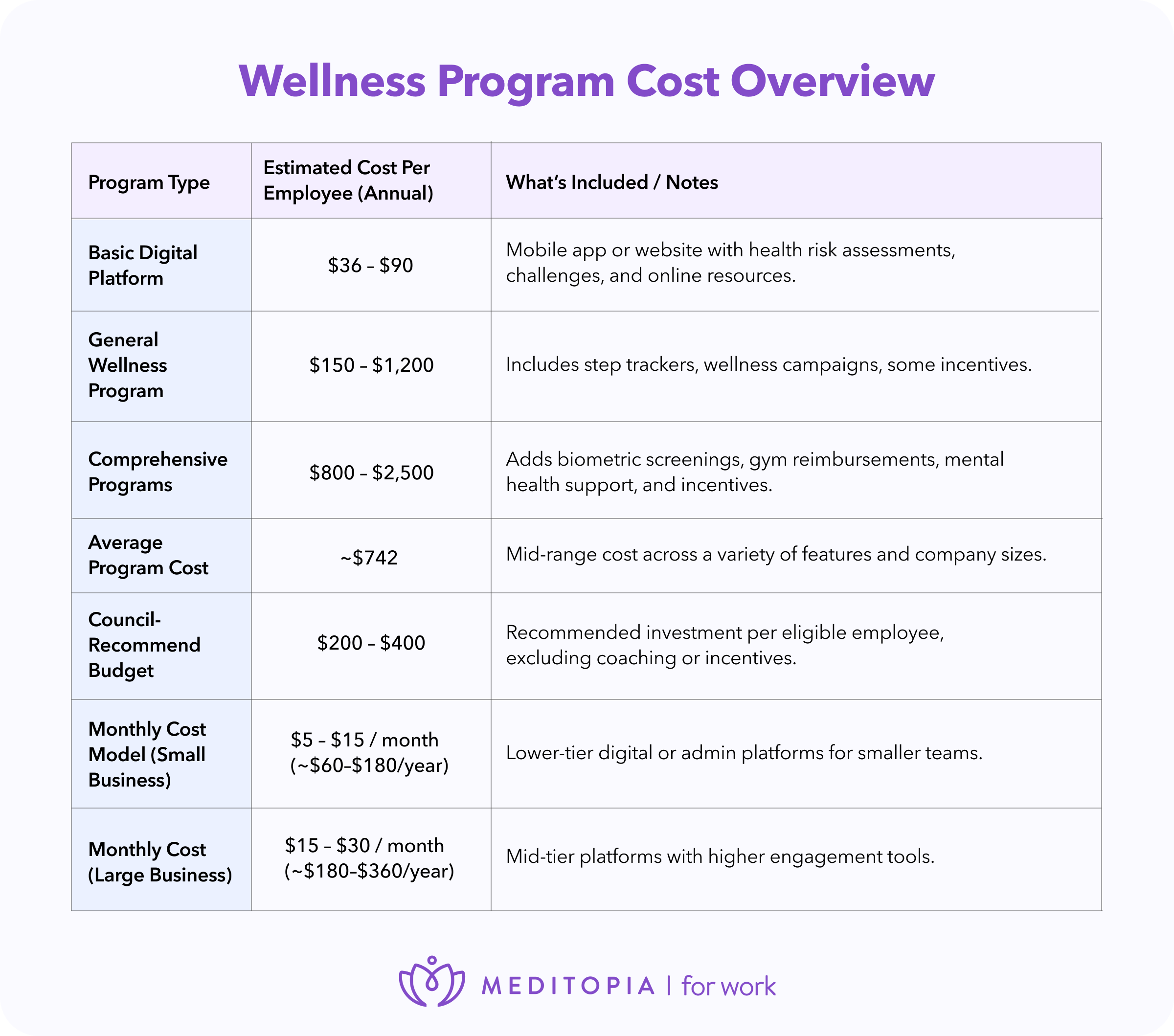
The integration of technology into wellness programs permits real-time feedback and incentives. Staff members might get points or premium credits for completing health evaluations or taking part in smoking cessation programs. These incentives drive involvement rates much higher than conventional, passive programs. In 2026, the focus is on quantifiable results. Employers wish to see that their financial investment in wellness is resulting in less ill days and a more engaged team. Tracking these metrics over a number of years offers the evidence required to justify the expense of the programs and assists fine-tune the offerings to satisfy the specific needs of the staff.
Finest Practices for a Smooth Renewal Cycle in 2026
Preparation for the 2026 renewal cycle should begin a minimum of ninety days before the current strategy expires. This timeline enables sufficient room to review claims information, evaluate employee complete satisfaction, and compare new quotes from multiple carriers. Waiting up until the eleventh hour frequently leaves organizations with less choices and higher rates. By starting early, owners can work out much better terms and ensure that they have sufficient time to communicate any changes to their group. A rushed registration period is a primary reason for worker confusion and administrative errors.
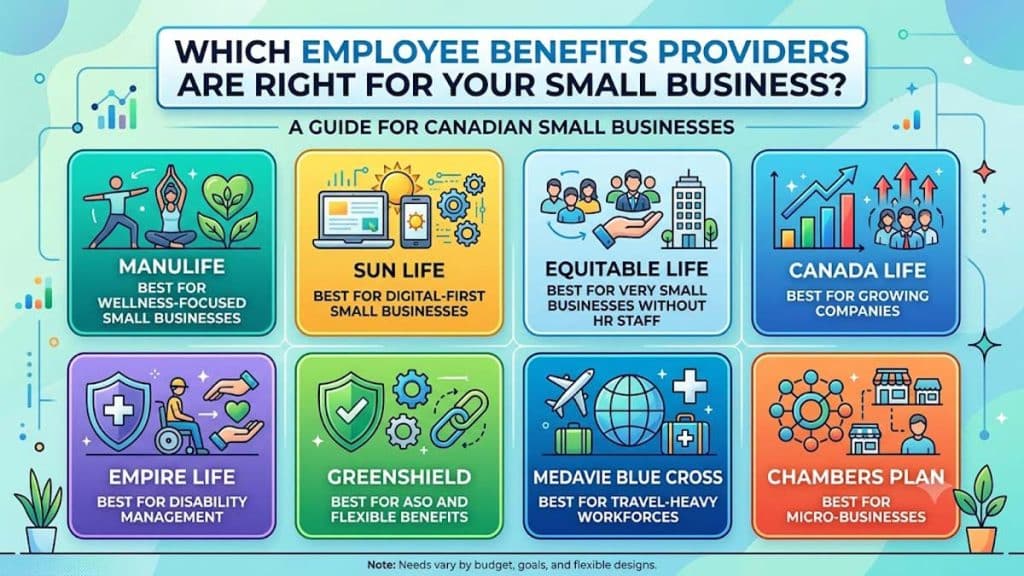
Appointing a dedicated advantages planner or working carefully with a specialized broker can make the procedure far more workable. This individual functions as the point of contact for staff member questions and ensures that all data is transferred properly to the insurance carrier. In 2026, the complexity of advantages requires a person who stays notified about the most current market patterns and regulatory changes. This dedicated oversight helps business stay on track and guarantees that the enrollment process is a favorable experience for everyone included. Consistency and clear communication are the structures of a successful group health strategy.

Table of Contents
- – Improving Advantage Administration for Medicar...
- – Adapting to Regulatory Standards in Huntingto...
- – Improving Worker Engagement with Medicare
- – Streamlining Data Security and Personal Priva...
- – Assessing Plan Options for Medicare
- – Maximizing the Worth of Workplace Wellness In...
- – Finest Practices for a Smooth Renewal Cycle in...
Latest Posts
Expert Strategy for Small Enterprise Group Insurance

Identifying Payroll Insurance Coverage for Small Teams

Evaluating ROI of Investing in EAP Services
Latest Posts
Expert Strategy for Small Enterprise Group Insurance
Identifying Payroll Insurance Coverage for Small Teams
Evaluating ROI of Investing in EAP Services