All Categories
Featured
Professional Strategy on Small Business Health Insurance
Table of Contents
Most companies pay $3$5 per employee per month for a digital worker wellness program in 2026. Full-service programs with coaching and health assessments begin near $58, so the complete market variety runs $3$100 per worker per month depending on depth.
Just how much do corporate health cares expense usually? The answer depends upon 3 factors: your business size, the scope of services you need, and whether you pick a digital-first platform or a full-service provider. Here is what most companies can anticipate to budget plan: Basic Digital$3 $5per employee/ month$36 $60 annuallyHealth evaluations, wellness website, obstacles, academic contentMid-Range$12 $58per staff member/ month$150 $700 annuallyAll standard functions plus reward programs, group coaching, analyticsComprehensive$58 $100+per employee/ month$700 $1,200+ annuallyFull suite: 1:1 training, biometrics, psychological health, reporting, custom-made content Prices designs vary by supplier.
Others use a per-active-user model where you just pay for staff members who in fact engage. A few usage tiered rates based on business size, where larger organizations get lower per-employee rates.
Live, 1:1 health coaching is the most pricey part, usually adding $20-$50/employee/month On-site or lab-based screenings add $50-$150 per employee per event Present cards, premium reductions, or HSA contributions can include $100-$500/employee/year Branded courses, obstacles, and interactions include advancement costs Linking to your HRIS, advantages platforms, or claims information needs technical workFree Resource Dozens of shown, no-budget wellness methods your team can release today.
Business Insurance Chula VistaAre staff member health care worth the financial investment? The research says yes, but with an important caution: program design matters more than program costs.$3.27 medical cost savings per $1 spentSource: Harvard Meta-Analysis$2.73 absence expense savings per $1 spentSource: Harvard Meta-Analysis6:1 total return on investmentCombined medical + absenteeism A Harvard meta-analysis estimated that for every single $1 invested in health care, medical costs fall by around $3.27 and absenteeism expenses by about $2.73.
The Ultimate Guide of New Employee Support EAP
company discovered more modest results, highlighting that program quality and design are the real drivers of effectiveness. ROI does not happen since a company throws money at a program. It is a spin-off of an agile health offering that progresses with time, keeps employees engaged, and is actively supported by management.
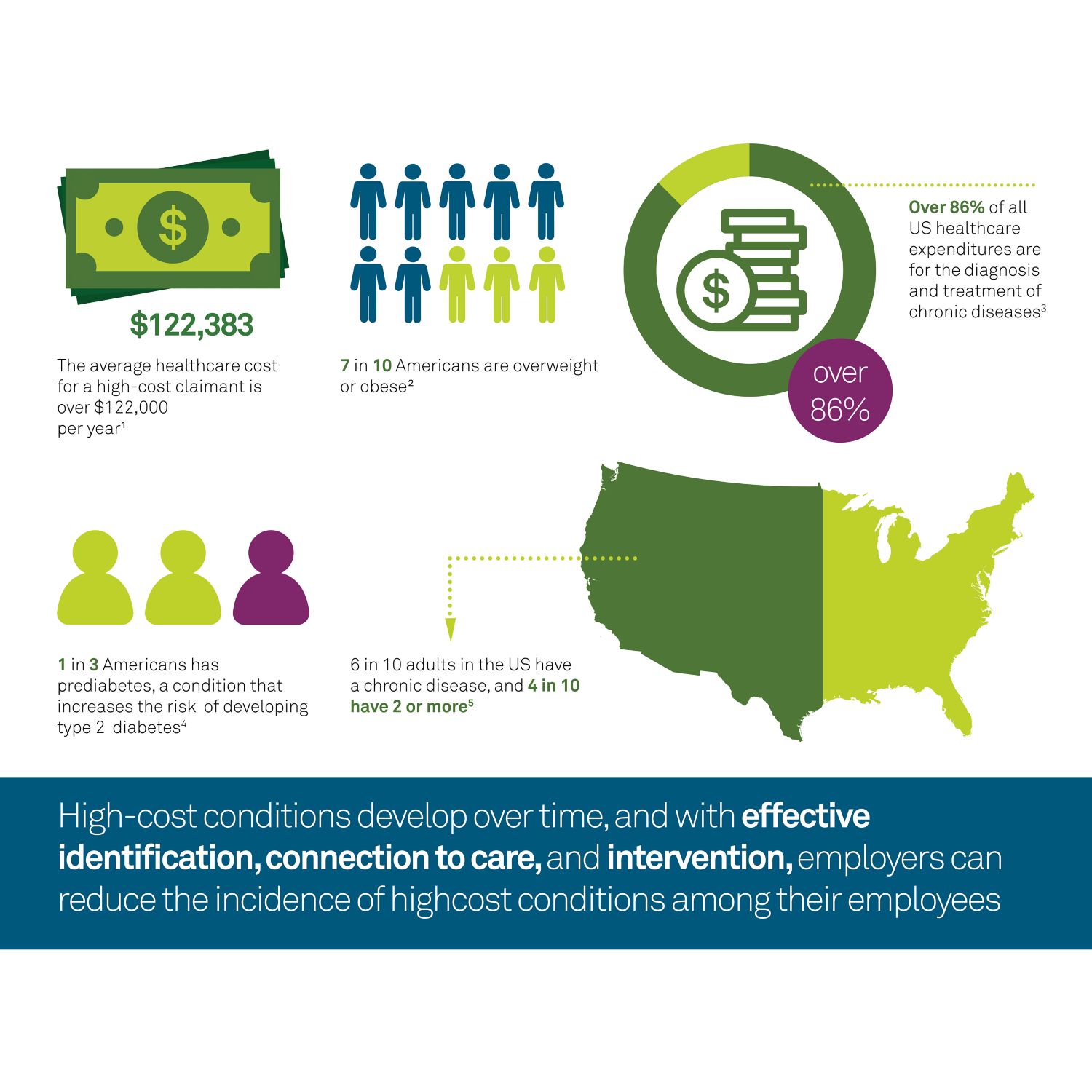
The sticker price is only part of the employee wellness program expense. A $5/employee program with 10% participation efficiently costs $50 per active user.
A unified platform decreases both expense and friction. If your HR group spends 5-10 hours each week collaborating wellness activities, that is a genuine labor cost that most budgets overlook. Generic programs stop working since they do not fulfill workers where they are. The most effective programs use behavioral science to customize the experience.
The most inexpensive program is rarely the most economical. The most economical health services share these characteristics.
Comprehensive Annual Small Employee Insurance Coverage Review
Look for platforms that use behavioral science to customize content to each employee's stage of change. Mobile app, e-mail, text, and wearable combination to meet workers anywhere they are. Allows timely modifications and clear presence into participation, results, and program ROI. Programs grounded in cognitive behavioral training, not simply gamification, produce enduring results.
Grows with your organization so you are not overpaying at 50 employees or underpowered at 500. Picking the ideal health partner is not just about the most affordable employee wellness program expense.
Do they have published research or third-party recognition of health outcomes? Can they give you a clear per-employee expense with no concealed costs for application, reporting, or content? How lots of programs, courses, and difficulties are consisted of?

Latest Posts

How to Design Effective Group Insurance Plans
Prioritizing Corporate EAP Programs

Enhancing Small Business Employee Benefit Options