All Categories
Featured


Key Questions for Choosing Benefit Providers
Census Bureau, 2023). These programs provide 24/7 telephone counseling, online resources, and recommendations to specialized mental health specialists when intensive treatment ends up being necessary. California EAPs provide workers zero-cost access to mental health services that would otherwise cost $100-200 per session in the state's expensive healthcare market. With California's per capita health spending at $10,300 yearly (Centers for Medicare & Medicaid Solutions, 2022), these worker help programs provide significant cost savings by removing out-of-pocket costs for counseling sessions.
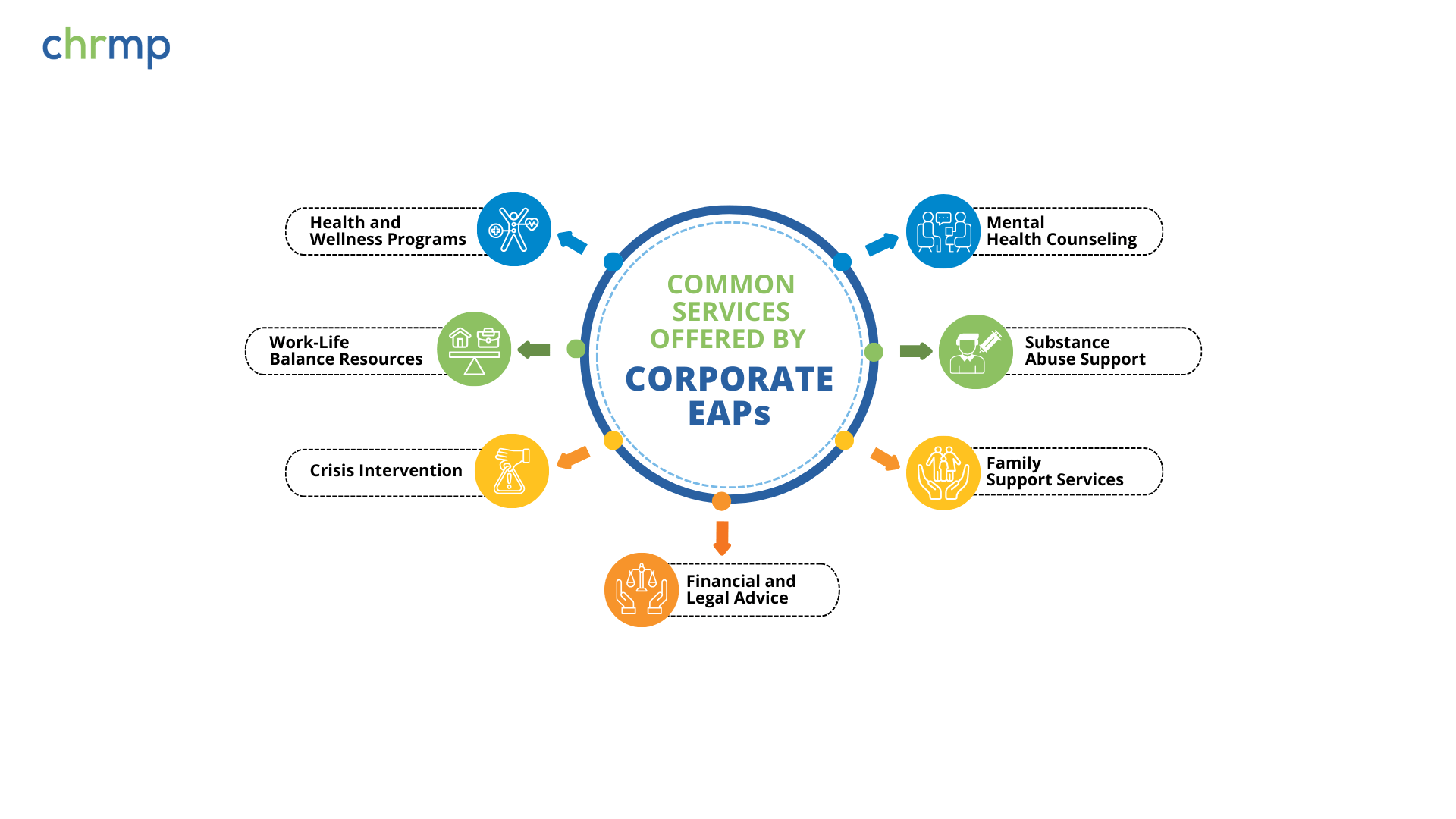
Early intervention through EAPs generates cost savings by attending to psychological problems before they need intensive psychiatric care or hospitalization. California staff members utilizing EAP services prevent the monetary problem of personal treatment sessions, which represent significant expenses provided the state's typical home income of $84,500 (U.S. Census Bureau, 2022). These support programs match existing insurance coverage instead of replacing thorough psychological health benefits, supplying immediate access to counseling without deductibles or copayments that dissuade treatment looking for in California's high-cost healthcare environment.
Group Benefits FullertonMore than 40% of Californians speak a language aside from English in the house, consisting of roughly 31% who speak Spanish (U.S. Census Bureau, 2023). EAP suppliers accommodate this linguistic diversity by using bilingual psychological health professionals proficient in Spanish, Mandarin, Cantonese, Vietnamese, Korean, and other common languages spoken across California's 200+ language communities.
Group Benefits FullertonCulturally qualified EAP services acknowledge the distinct psychological health approaches preferred by California's ethnic communities, particularly Latino and Asian/Pacific Islander populations who make up 56% of the state's labor force demographics. More than one-quarter of Californians (27%) are foreign-born, the highest immigrant share nationally and over twice the U.S. average (U.S. Census Bureau, 2023).

Latest Posts

Why Strategic Vision Perks Attract Staff

Expert Strategy for Small Enterprise Group Insurance

Identifying Payroll Insurance Coverage for Small Teams